
How to Build a Capsule Wardrobe That Actually Works
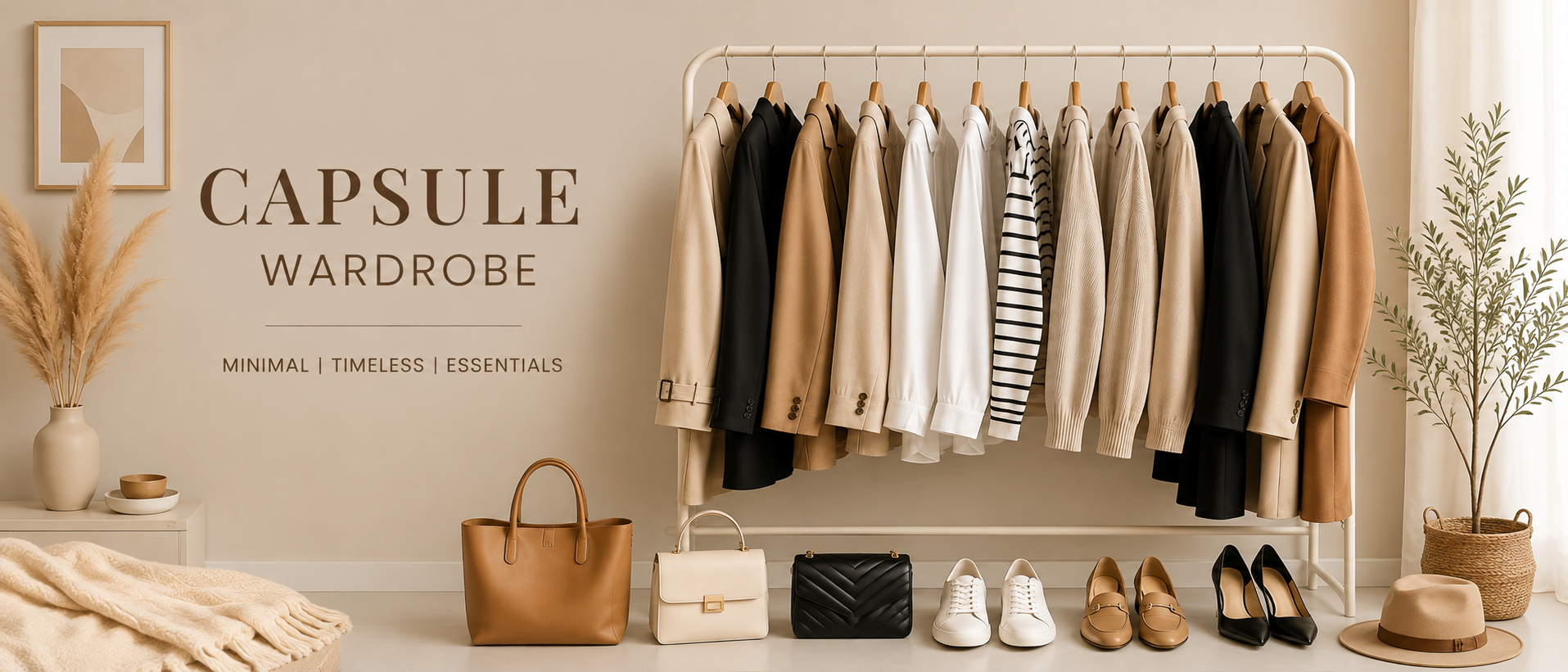
Most wardrobes don't have a shortage of clothes. They have a shortage of clothes that get worn. Somewhere between impulse buys, trend pieces, and things that "seemed like a good idea," most closets fill up with far more than they actually use — and a lot less than they need on any given morning.
A capsule wardrobe fixes this, not by owning less for the sake of it, but by being deliberate about what earns a place in your closet. Here's a practical framework for building one — without turning it into another chore.
What a Capsule Wardrobe Actually Is
A capsule wardrobe is a small, intentional collection of clothing — typically 20–35 pieces — where almost everything mixes with almost everything else. The goal isn't minimalism as an aesthetic. It's maximum usability from a manageable number of pieces, so getting dressed stops being a daily negotiation with a closet full of things that don't quite go together.
The core principle is simple: every piece should be able to pair with at least three or four others. If something only works with one specific outfit, it's not a capsule piece — it's a one-off, and one-offs are exactly what clutter a wardrobe without adding real versatility.
Step 1: Audit What You Actually Wear
Before adding anything, look at what's already working. Most people wear about 20% of their wardrobe 80% of the time — the rest sits there for "someday." Pull out what you've actually reached for in the last two months. That's your real style, not your aspirational one, and it's the honest starting point for building around.
Step 2: Build Around Neutrals, Then Add Accents
A functional capsule wardrobe leans on a base of neutrals — white, black, navy, grey, beige — because neutrals do the heavy lifting of mixing and matching. Accent pieces (a patterned shirt, a bolder co-ord, a statement colour) come in on top of that base, not instead of it.
For men, this typically means:
• 2–3 tailored or classic-fit shirts in white, light blue, and one pattern
• 1–2 smart-casual shirts for weekend wear
• A well-fitted pair of chinos or trousers in a neutral tone
• One versatile blazer or overshirt that dresses an outfit up or down
For women, this typically means:
• 2–3 tops or shirts that work both at a desk and out for dinner
• One or two co-ord sets that function as a complete outfit on low-effort days
• A going-out piece that doesn't require a separate shopping trip every time there's an event
• Layering pieces that extend the life of the above across seasons
Step 3: Prioritise Fabric and Fit Over Quantity
This is the step most capsule wardrobe guides skip, and it's the one that actually determines whether the approach works long-term. A capsule wardrobe with 25 pieces only functions if those 25 pieces hold up — fabric that doesn't thin out, fit that doesn't lose shape, stitching that survives regular wear. A capsule built from lower-quality pieces just becomes a smaller pile of things you'll need to replace sooner.
This is also where handcrafted, well-fabricated basics earn their place. A single well-made shirt that survives eighteen months of regular wear is a better capsule piece than three lower-quality versions bought to compensate for wear and tear.
Step 4: Fill Gaps Deliberately, Not Impulsively
Once the base is built, additions should answer a specific question: "What am I currently missing that would make three or more existing pieces more versatile?" A single overshirt that works over five different outfits is a good addition. A trend piece that works with nothing else already in the wardrobe isn't — no matter how good it looks on its own.
A Simple Starting List
If you're building from scratch, here's a realistic starting point rather than an exhaustive checklist:
Men (approx. 15 pieces):
1. White tailored shirt
2. Light blue classic-fit shirt
3. One patterned smart-casual shirt
4. Two pairs of well-fitted trousers (navy, beige)
5. One pair of dark denim
6. One overshirt or lightweight jacket
7. Two plain T-shirts (white, black)
8. One pair of versatile sneakers, one pair of formal shoes
Women (approx. 15 pieces):
1. Two versatile tops/shirts
2.One co-ord set for effortless full outfits
3.One going-out piece
4.Two pairs of trousers or well-fitted denim
5.One layering jacket or blazer
6.Two plain tops for mixing
7.One pair of everyday flats, one pair of heels or boots
Why This Approach Pays Off Over Time
A capsule wardrobe isn't about owning less for its own sake — it's about spending less time deciding, less money replacing, and getting more actual wear out of everything you own. It also tends to shift buying habits in a useful direction: fewer impulse purchases, more considered ones, and a wardrobe that feels coherent instead of accidental.
The Bottom Line
You don't need to overhaul your closet overnight. Start with an honest audit, build around neutrals that actually work together, and prioritise fabric and fit over adding more pieces. The result isn't a smaller wardrobe for the sake of it — it's one that works harder, every single day, with far less effort on your part.
Explore pieces built for a capsule wardrobe — Shop the Collection.